
Disclosure: Some links on this page are affiliate links. As an Amazon Associate and Bookshop.org affiliate, we earn from qualifying purchases. Learn more.
R.F. Kuang’s Babel blends dark academia, language-as-magic, and an unflinching critique of empire. Set in 1830s Oxford, it thrives on scholarship, found family, betrayal, and the politics of translation. If you finished it wanting more books with intellectual rigor, atmospheric campuses, and sharp looks at power and privilege, these reads belong at the top of your list.
Below you’ll find dark academia classics, historical fantasies, and literary speculative novels that echo Babel’s themes—ambition, complicity, resistance—and its fascination with words, knowledge, and the institutions that wield them.
The Secret History — Donna Tartt
The dark academia blueprint: a tight-knit group of elite classics students crosses moral lines in pursuit of beauty and transcendence, and then buckles under the weight of their choices. Tartt’s chilly precision and immersive campus setting make complicity feel intimate and inevitable.
Like Babel, it interrogates who gets access to rarefied knowledge and what it costs to belong. If you want intensity, erudition, and slow-burn dread, start here.
If We Were Villains — M.L. Rio
Shakespeare-obsessed actors at an elite conservatory blur the line between performance and reality as a death fractures their troupe. Rio’s prose sings with theatrical cadence, and the rivalry/friendship dynamics mirror the intensity of academic cohorts.
It pairs Babel’s themes of ambition and loyalty with a propulsive whodunit structure. Expect beautiful lines, messy hearts, and consequences.
The Atlas Six — Olivie Blake
A secret society recruits six prodigies for a ruthless, theory-heavy initiation where not everyone will make the final cut. Blake’s novel leans into philosophy, power, and morally gray scholarship, all wrapped in a sleek, contemporary tone.
If you loved the competitive brilliance and institutional critique of Babel, this delivers similar catnip with a modern twist—alliances, betrayals, and knowledge as currency.
A Deadly Education — Naomi Novik
In the Scholomance, a sentient school that tries to eat its students, survival requires strategy and community. Novik’s heroine El is prickly, brilliant, and painfully aware of how systems privilege some students over others.
It’s razor-witty, subversive, and fascinated by institutional design—perfect for readers who admired Babel’s systemic lens but want more monster-slaying with their commentary.
The Magicians — Lev Grossman
Brakebills University promises wonder, but Quentin Coldwater discovers that privilege and power don’t cure emptiness. Grossman’s trilogy interrogates escapism, responsibility, and the ethics of magic with self-aware, literary bite.
For readers who want academia as crucible and magic as mirror, this scratches the same itch as Babel while charting its own sardonic path.
The Golem and the Jinni — Helene Wecker
In 1899 New York, a golem and a jinni navigate immigrant communities, faith traditions, and the freedoms and limits of a new world. Wecker’s historical fantasy is tender and precise, exploring identity and belonging through folklore.
Fans of Babel’s focus on culture, language, and diaspora will find a resonant, quieter counterpart here—with just as much heart.
Piranesi — Susanna Clarke
Set in a vast, statue-filled House laced with tides and mysteries, Piranesi unspools like an academic puzzle box. Clarke uses journals, observation, and pattern-finding to build wonder and dread in equal measure.
If you loved the scholarly texture and slow revelation of Babel, this quiet stunner will mesmerize you. It’s small in pages, enormous in resonance.
The Name of the Wind — Patrick Rothfuss
Kvothe’s years at the University deliver academic rivalry, arcane linguistics, and a relentless quest for knowledge. Rothfuss pairs lyrical prose with a meticulous portrait of study, debt, and the social hierarchies of campus life.
It’s broader fantasy than Babel, but the scholarly obsession and worldbuilding detail feel kindred. Readers who savor language will be right at home.
This Is How You Lose the Time War — Amal El-Mohtar & Max Gladstone
An epistolary love story between rival agents, written in prose as intricate as filigree. Across collapsing timelines and colonized futures, letters become weapons and lifelines.
Language is the magic here—precise, playful, and devastating. If Babel made you fall in love with words, this novella will finish the job.
The Poppy War — R.F. Kuang
Kuang’s earlier trilogy begins as a military-academy story and plunges into shamanic warfare and the brutal calculus of empire. It interrogates power with the same unsparing eye as Babel, though on a much darker battlefield.
If you want more of Kuang’s ferocity, geopolitical depth, and moral stakes, this is essential—just be ready for grim territory.
Keep Exploring Dark Academia & Historical Fantasy
If you’re chasing the same mix of scholarship, atmosphere, and moral bite that made Babel unforgettable, any of these will hit. Want more hand-picked recs tuned to your taste? Try our Book Recommendation Tool for a custom list in seconds.
Want a Full Reading Plan?
Upgrade to a personalized 90-Day Reading Road Map with 12–15 curated picks, pacing guidance, and reflection prompts. Delivered as a PDF in 72 hours.
Get My Road Map — $39Looking for your next great read?
Use our free Book Recommendation Tool to get personalized picks based on your interests. It’s fast, fun, and always free.
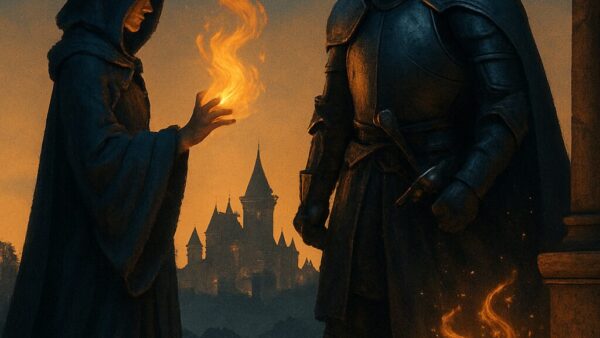 Best Historical Fiction Books
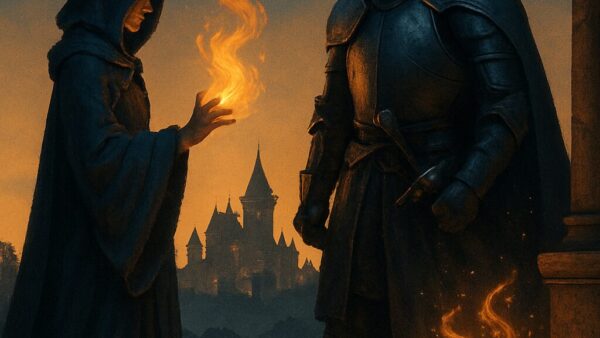 Best Historical Fantasy Books
 What Should I Read Next? – The 2025 Reading Guide